

Loveland Sod Installation Services
Choose our professional sod installation for a seamless, hassle-free transformation—enjoy a vibrant, healthy lawn instantly with expert care and guaranteed results.
Get a Free QuoteOur Loveland Landscaping & Yard Care Services
When to Schedule Sod Installation in Loveland, Ohio – Seasonal Guide
Timing your sod installation in Loveland, Ohio, is crucial for achieving a lush, healthy lawn that thrives year-round. The best periods for sod installation are typically early spring and early fall, when temperatures are moderate and rainfall is more consistent. These seasons allow new sod to establish strong roots before the summer heat or winter frost sets in. Loveland’s climate, influenced by the Little Miami River and proximity to neighborhoods like Historic Downtown and White Pillars, means homeowners should pay close attention to local frost dates and humidity levels.
Environmental factors such as soil composition—often a mix of clay and loam in areas like Brandywine and Pheasant Hills—can impact drainage and root development. Shade from mature trees in neighborhoods like Miami Trails, as well as the risk of late spring frosts or summer droughts, should also be considered. For more detailed local guidance, consult resources like the Sudbury municipal site, which offers helpful landscaping tips tailored to regional conditions.
Local Factors to Consider for Sod Installation in Loveland
- Tree density and shade coverage, especially in established neighborhoods
- Soil type and drainage, which can vary between river-adjacent and upland areas
- Typical precipitation patterns and risk of summer drought
- Frost dates and temperature swings in spring and fall
- Terrain slope and potential for water runoff
- Municipal watering restrictions or landscaping ordinances
Benefits of Sod Installation in Loveland

Instant Green Lawn
Erosion Control
Weed Reduction
Enhanced Curb Appeal
Professional Installation
Locally Sourced Sod

Loveland Sod Installation Types

Kentucky Bluegrass Sod
-
Fescue Sod
-
Bermuda Grass Sod
-
Zoysia Sod
-
Ryegrass Sod
-
Buffalo Grass Sod
-
Shade-Tolerant Sod
Our Sod Installation Process
Site Preparation
Soil Grading
Sod Delivery
Sod Laying
Watering and Rolling
Why Choose Loveland Landscape Services
-
Loveland Homeowners Trust Us
-
Expert Lawn Maintenance
-
Reliable Seasonal Cleanup
-
Competitive Pricing
-
Professional Team
-
Satisfaction Guarantee
-
Personalized Service
Soil Series and Drainage Considerations for Sod Installation in Loveland
Loveland’s predominant soils, including the Rossmoyne silt loam and Clermont silt loam, present unique challenges for sod installation due to moderate to poor drainage and a pH range typically between 6.0 and 6.8. These soils, mapped by the USDA Web Soil Survey, often require soil amendment prior to sod placement. Best practices include:
- Incorporating 2-3 inches of compost tilled to a 6-inch depth
- Conducting a soil test through OSU Extension (cost: $15-25)
- Applying lime if pH is below 6.0
- Ensuring final grade slopes away from structures at 2% minimum Proper site preparation is essential to prevent waterlogging and root rot, especially in areas with seasonal high water tables. For technical guidance on soil management and drainage, coordinate with the city’s public works staff.
City of Loveland Public Works Department
120 W. Loveland Avenue, Loveland, OH 45140
Phone: (513) 707-1450
Official Website: City of Loveland Public Works Department
Timing Sod Installation for Loveland’s Climate and Weather Patterns
Loveland is situated in USDA Hardiness Zone 6a, with optimal sod installation windows in spring (April 15 – May 30) and early fall (September 1 – October 15), when soil temperatures range from 55°F to 65°F. Avoid installation during summer heat (June-August) to reduce transplant shock and water stress. Monitor local forecasts through the National Weather Service Wilmington Office for rainfall and temperature trends. Key timing recommendations:
- Spring: Install after soil dries from winter thaw, but before summer heat
- Fall: Complete installation at least 4 weeks before first frost (typically late October)
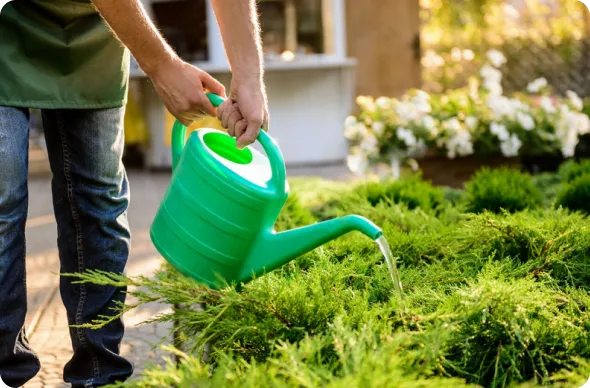
- Water new sod daily for 2 weeks, then reduce frequency
- Avoid heavy traffic on new sod for 3-4 weeks For additional climate-specific advice, consult OSU Extension resources on turf establishment.
Municipal Regulations and Permit Requirements for Sod Projects in Loveland
Sod installation in Loveland must comply with local ordinances regarding construction hours, property line setbacks, and stormwater management. Equipment operation is permitted:
- Monday-Friday: 7:00 AM – 7:00 PM
- Saturday: 8:00 AM – 6:00 PM
- Sunday and holidays: Prohibited Setbacks from property lines are typically 5 feet for sod installation, and a 25-foot buffer is required from wetlands or designated conservation areas. All soil disturbance over 500 square feet may require a zoning review. Permit applications are processed within 5-10 business days, with a standard fee of $50. For detailed requirements and application forms, contact the city’s building and zoning department.
City of Loveland Building and Zoning Department
120 W. Loveland Avenue, Loveland, OH 45140
Phone: (513) 707-1447
Official Website: City of Loveland Building and Zoning Department
Environmental Compliance: Stormwater, Buffer Zones, and State EPA Oversight
Sod installation projects in Loveland must adhere to Ohio Environmental Protection Act and Clean Water Act requirements, including the city’s MS4 stormwater permit. Key compliance steps include:
- Prohibiting sod clippings and soil from entering storm drains
- Maintaining a 25-foot no-disturbance buffer from wetlands and streams
- Avoiding fertilizer application within 50 feet of water bodies
- Using erosion control (e.g., silt fence) on slopes >5% Violations may result in fines or project delays. For guidance on environmental compliance, coordinate with Hamilton County Environmental Services and reference EPA Region 5 for federal oversight.
Hamilton County Environmental Services
250 William Howard Taft Road, Cincinnati, OH 45219
Phone: (513) 946-7777
Official Website: Hamilton County Environmental Services
Professional Standards and Safety Protocols for Sod Installation in Loveland
All sod installation work in Loveland must meet professional safety and equipment standards. Operators are required to use:
- Eye protection: ANSI Z87.1 safety glasses
- Hearing protection: Earmuffs or plugs for 85+ dB noise
- Footwear: Steel-toed boots with non-slip soles
- Gloves: Cut-resistant for handling sod knives Maintain a 15-foot clearance from overhead utilities and mark underground lines via Ohio 811 before excavation. Commercial-grade sod cutters and rollers should be maintained per manufacturer guidelines, with blade sharpening every 20-25 hours. For work near public roads, traffic cones and high-visibility vests are mandatory. The city’s public works department provides additional safety guidance for projects impacting municipal infrastructure.
City of Loveland Public Works Department
120 W. Loveland Avenue, Loveland, OH 45140
Phone: (513) 707-1450
Official Website: City of Loveland Public Works Department
What Neighborhoods Do We Serve Throughout Loveland, OH?
- Historic Downtown: Features older properties with compacted urban soils and narrow lot access, requiring careful grading and soil amendment for successful sod establishment.
- Brandywine: Newer development with well-drained Clermont silt loam, but larger lots may require erosion control on gentle slopes during installation.
- Pheasant Hills: Characterized by mature trees and partial shade, necessitating shade-tolerant sod varieties and attention to root competition.
- White Pillars: Located near O’Bannon Creek, properties must observe 25-foot wetland buffers and comply with stormwater best practices.
- Claiborne: Suburban area with moderate clay content and HOA landscaping standards, requiring adherence to community guidelines for sod type and maintenance.
- Glen Lake: Proximity to conservation areas and seasonal high water tables demands careful drainage planning and compliance with environmental buffer regulations.
- Heathermere: Features larger lots and open exposures, making wind desiccation a concern during establishment and requiring diligent watering schedules.