
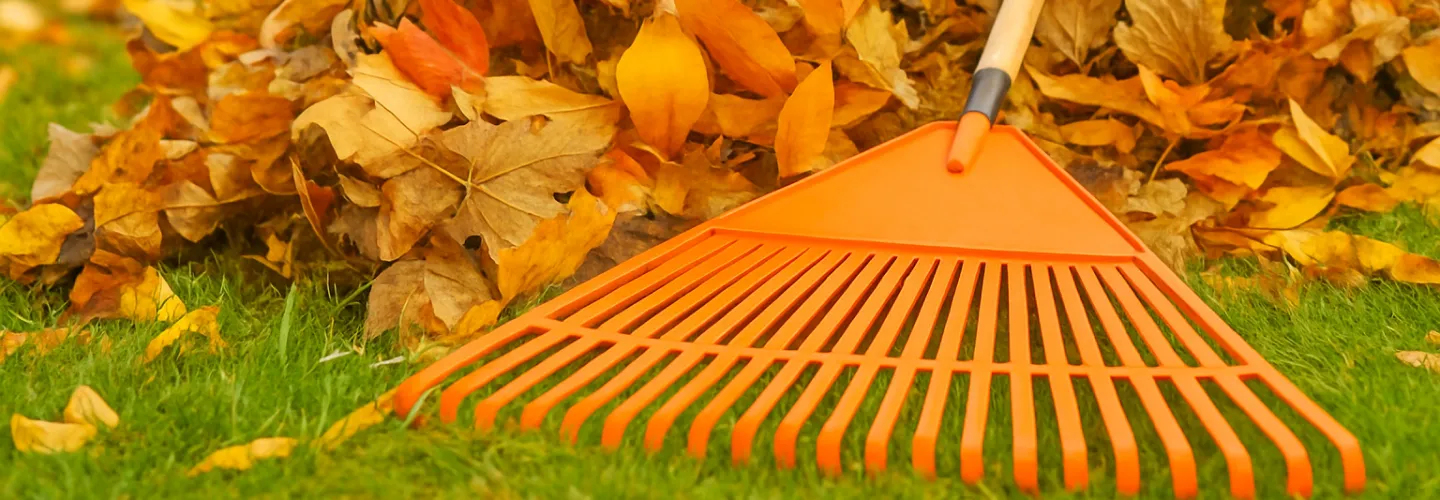
Loveland Lawn Grubs Control Services
Choose our Lawn Grubs Control for proven, eco-friendly treatments that safeguard your grass, restore your yard’s health, and keep your landscape beautiful all season long.
Get a Free QuoteOur Loveland Landscaping & Yard Care Services
When to Schedule Lawn Grubs Control in Loveland, Ohio – Seasonal Guide
In Loveland, Ohio, timing your lawn grubs control is crucial for effective results and long-term turf health. The best periods for treatment are typically late spring and early fall, when grubs are most vulnerable and actively feeding near the soil surface. Loveland’s climate, with its humid summers and cold winters, means that soil temperatures and moisture levels fluctuate significantly throughout the year. Monitoring these changes—especially after the last frost in neighborhoods like Historic Downtown or near the Loveland Bike Trail—can help you determine the optimal window for application.
Local environmental factors such as the risk of summer drought, shaded yards in areas like White Pillars, and the prevalence of clay-heavy soils all play a role in grub activity and treatment success. Homeowners should also consider municipal guidelines and best practices, which can be found on resources like the Sudbury town website, to ensure compliance and environmental safety.
Local Factors to Consider for Lawn Grubs Control in Loveland
- Tree density and shade coverage, especially in established neighborhoods
- Soil type (clay vs. loam) and drainage characteristics
- Seasonal precipitation patterns and drought risk
- Proximity to the Little Miami River and flood-prone areas
- Municipal restrictions or recommendations for pesticide use
- Terrain slope and runoff potential
Benefits of Lawn Grubs Control in Loveland
Improved Lawn Health
Prevention of Turf Damage
Eco-Friendly Treatment Options
Experienced Landscaping Professionals
Customized Grub Control Plans
Long-Term Pest Protection
Loveland Lawn Grubs Control Types

Preventative Grub Treatments
-
Curative Grub Control
-
Organic Grub Management
-
Biological Grub Solutions
-
Chemical Grub Insecticides
-
Nematode Applications
-
Integrated Pest Management
Our Lawn Grubs Control Process
Inspection and Identification
Customized Treatment Plan
Targeted Application
Monitoring and Follow-Up
Why Choose Loveland Landscape Services
-
Loveland Homeowners Trust Us
-
Expert Lawn Maintenance
-
Reliable Seasonal Cleanup
-
Competitive Pricing
-
Professional Team
-
Satisfaction Guarantee
-
Personalized Service
Managing Lawn Grub Infestations in Loveland’s Predominant Urban Soils
Lawn grubs present a recurring challenge for turf management in Loveland, where the dominant soil series—such as Clermont silt loam and Rossmoyne silt loam—feature moderate to poor drainage and a pH range typically between 6.0 and 6.8. These conditions, combined with urban compaction, create favorable environments for Japanese beetle and masked chafer larvae. Effective grub control requires soil sampling at a 3-4 inch depth in late spring to detect early-stage larvae. For best results, granular or liquid insecticides should be applied between May 15 and July 15, when grubs are most susceptible. Soil amendments, such as compost incorporation (2-3 inches tilled to 6-inch depth), can improve drainage and reduce grub habitat. Residents are encouraged to consult the USDA Web Soil Survey for site-specific soil data and coordinate with the city for proper application timing.
City of Loveland Public Works Department
120 W. Loveland Avenue, Loveland, OH 45140
Phone: (513) 707-1450
Official Website: City of Loveland Public Works Department
Environmental Compliance: Protecting Loveland’s Little Miami River and Wetlands
Lawn grub control in Loveland must be conducted with strict adherence to environmental regulations to protect sensitive areas such as the Little Miami River, O’Bannon Creek, and adjacent wetlands. The Ohio Environmental Protection Act and the city’s MS4 permit prohibit the application of pesticides or fertilizers within 25 feet of water bodies and require that no lawn clippings or chemical runoff enter storm drains. Buffer zones must be maintained, and all chemical applications should be performed during dry weather to minimize runoff risk. Key compliance steps include:
- Maintain a 25-foot no-application buffer from all wetlands and streams
- Use only EPA-registered products for grub control
- Schedule treatments when no rain is forecast for 24 hours
- Collect and dispose of grass clippings per city guidelines
Hamilton County Environmental Services
250 William Howard Taft Road, Cincinnati, OH 45219
Phone: (513) 946-7700
Official Website: Hamilton County Environmental Services
Seasonal Timing and Weather Considerations for Grub Control in Loveland
Loveland’s USDA Hardiness Zone 6a and the local climate, as monitored by the National Weather Service Wilmington Office, dictate optimal grub control timing. Soil temperatures should reach 55°F before applying preventive treatments, typically between May 15 and July 15. Avoid applications during periods of heavy rainfall or when soil is saturated, as this increases runoff risk and reduces product efficacy. For cool-season grasses like Kentucky bluegrass and perennial ryegrass, fall monitoring (late August to early October) is recommended to assess grub populations and determine if curative action is needed. Key timing guidelines:
- Preventive treatments: May 15 – July 15 (soil temp 55°F)
- Curative treatments: August 20 – September 30 (if grub threshold exceeded)
- Avoid: June-August heat stress period for new seeding
Consult the OSU Extension for updated pest alerts and soil temperature data.
Municipal Coordination and Disposal Protocols for Grub-Affected Turf in Loveland
Proper disposal of grub-damaged turf and soil is regulated by Loveland’s municipal waste management protocols. Weekly yard waste collection occurs every Thursday from April through November. Residents must use biodegradable bags or reusable bins (32-gallon maximum) for disposal; plastic bags and branches over 4 inches in diameter are prohibited. All removed turf and soil should be free of chemical residues and not placed in storm drains or waterways. For large-scale turf removal, coordinate with the Department of Public Works for guidance on debris staging and transportation. Collection requirements include:
- Yard waste pickup: Thursdays, April–November
- Accepted: Leaves, grass, turf, brush under 4 feet
- Containers: Biodegradable bags or 32-gallon bins
- Prohibited: Plastic bags, oversized branches
City of Loveland Public Works Department
120 W. Loveland Avenue, Loveland, OH 45140
Phone: (513) 707-1450
Official Website: City of Loveland Public Works Department
Professional Standards and Safety Protocols for Grub Control Operations in Loveland
All lawn grub control operations in Loveland must comply with municipal noise ordinances and professional safety standards. Equipment operation is permitted:
- Monday–Friday: 7:00 AM – 7:00 PM
- Saturday: 8:00 AM – 6:00 PM
- Sunday and holidays: Prohibited Operators must use commercial-grade spreaders and sprayers, maintain equipment mufflers, and ensure noise does not exceed 85 decibels at property lines. Personal protective equipment (PPE) is mandatory, including ANSI Z87.1 safety glasses, chemical-resistant gloves, and hearing protection. All pesticide applicators must follow label instructions and maintain a 15-foot clearance from public sidewalks and playgrounds. For work near city parks or trails, coordinate with the Parks and Trails Department.
City of Loveland Parks and Trails
120 W. Loveland Avenue, Loveland, OH 45140
Phone: (513) 707-1450
Official Website: City of Loveland Parks and Trails
What Neighborhoods Do We Serve Throughout Loveland, OH?
- Historic Downtown: Features mature trees and compacted urban soils, requiring careful grub monitoring and tailored treatment to protect established turf and comply with historic district guidelines.
- Brandywine: Characterized by newer developments with well-drained Rossmoyne silt loam, making it susceptible to rapid grub population growth during wet springs.
- Pheasant Hills: Large lots and proximity to O’Bannon Creek increase the need for strict buffer zone compliance and careful chemical application to prevent runoff into sensitive waterways.
- White Pillars: Dense tree canopy and shaded lawns create microclimates that can delay soil warming, affecting optimal grub control timing and requiring additional monitoring.
- Glen Lake: Located near wetlands and conservation areas, this neighborhood demands adherence to 25-foot no-application buffers and heightened environmental stewardship.
- Loveland Heights: Older infrastructure and variable soil compaction present unique challenges for effective grub control and turf restoration, especially after heavy rainfall events.